Back in the saddle, ‘er rather: Back on the ladder…
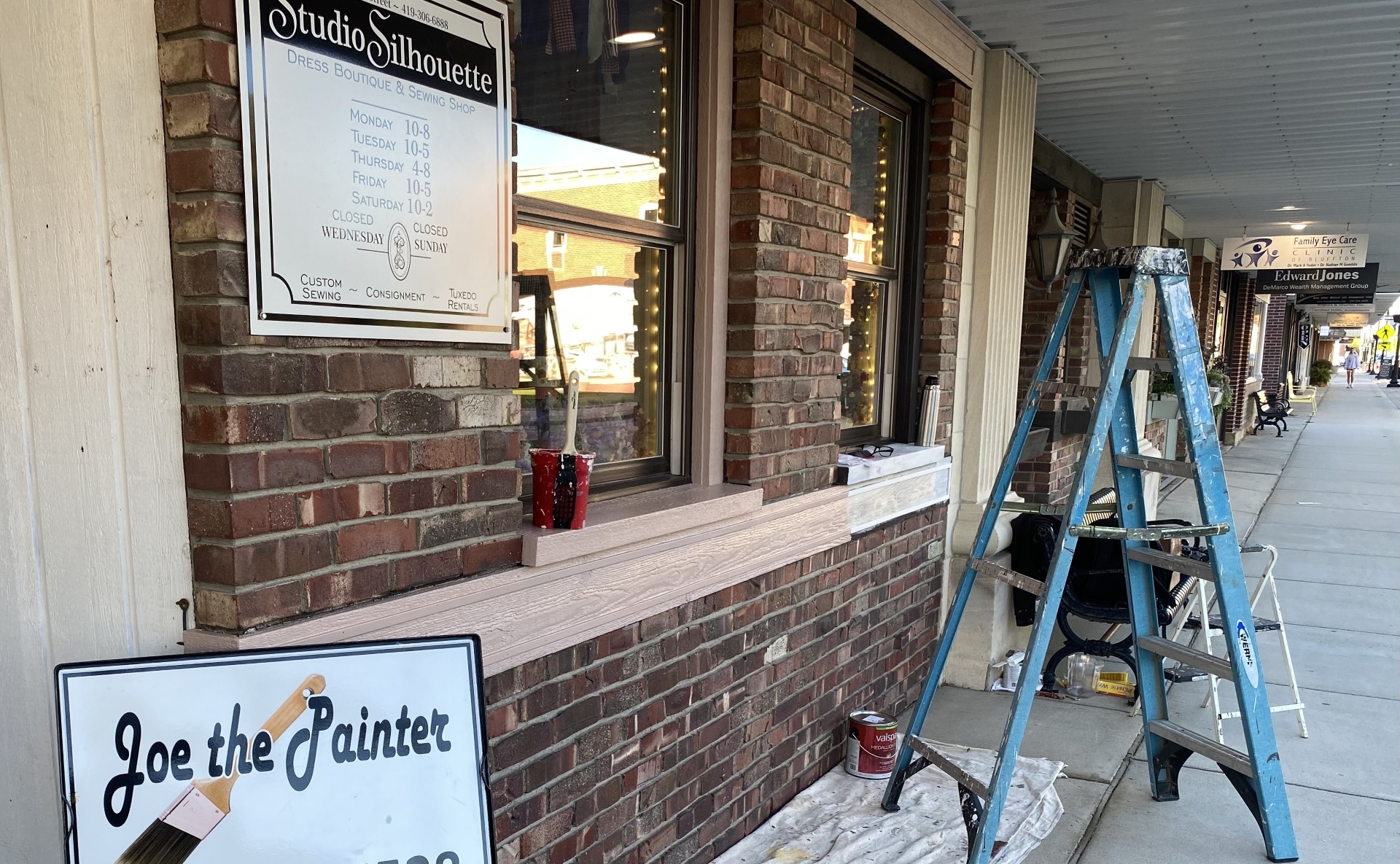
In late May, as mentioned in an earlier post, I fell off a rather high extension ladder, shattered my wrist and also broke a bone in my elbow (of the same arm). I was operated on, a plate was put in the wrist, and when the cast came off, I’ve spent the last month, or so, doing exercises to rehab. While not ready for the Browns training camp yet, I’ve gotten most of the motion back, and was able to start painting again this last week. Demonstrating yet more of my kinship with the “average Joe,” medical co-pays have built up, causing some financial difficulties that I will have to budget for with a payment plan, with several local medical services over the next year. Note: There are many Americans in this kind of healthcare boat, some a lot worse. Our healthcare platform would make it a lot easier for these people, as it should be.
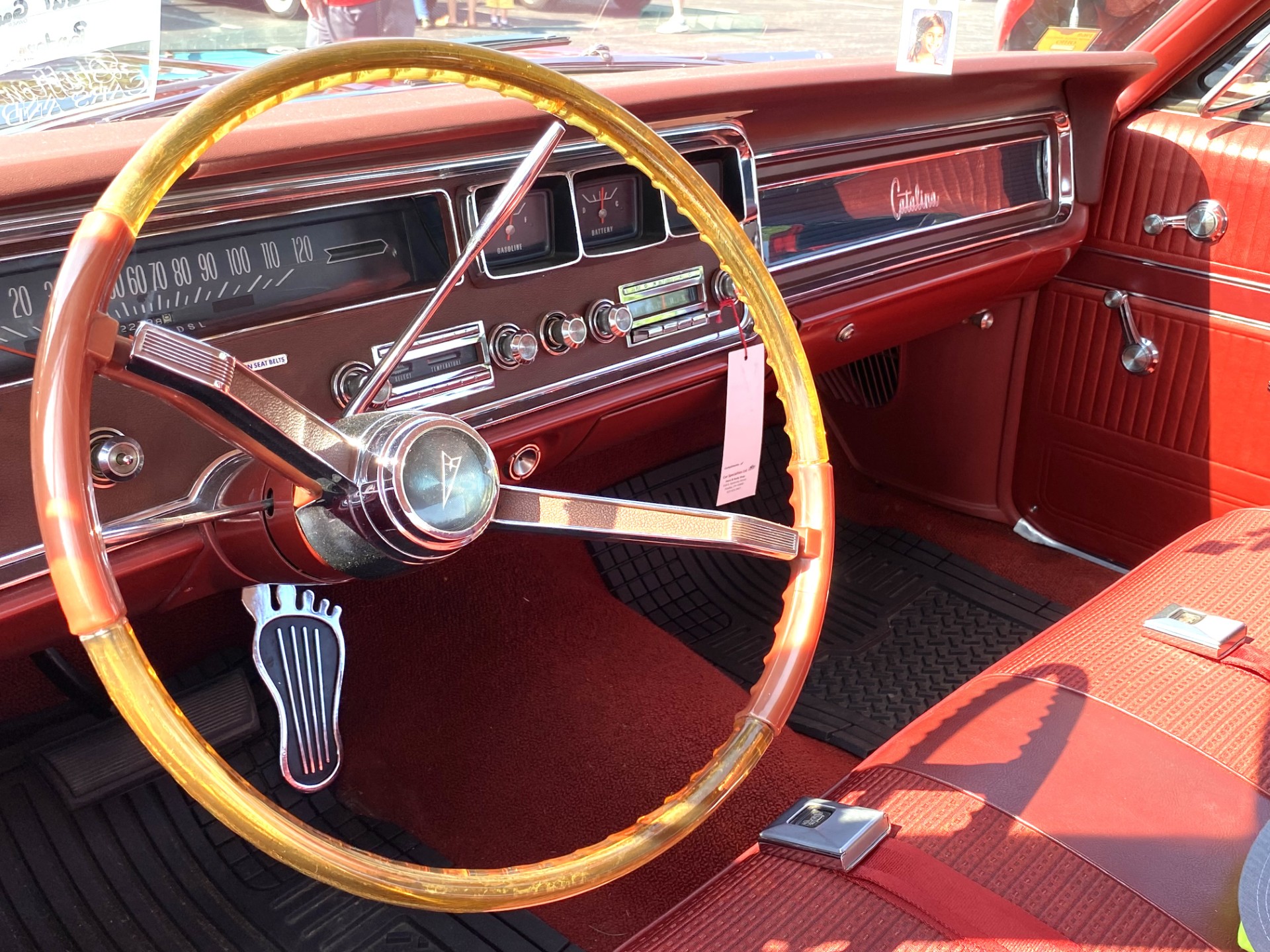
Catching up on the last month, or so… I did a newspaper article interview with a local man who has a 1966 Catalina classic car. His father was a classic car collector, and he grew up bonding with his dad over cars (as is often the case in America). I interspersed some ‘classic car quotes’ throughout the article. Example: “Sons grow into their father’s car legacy, one bolt at a time.” Note: Our campaign asks Americans to consider going back, in some regards, not necessarily to the 1960’s, but rather: the 1950’s. See… I also did some ‘foreign relations’ studying about Sudan, a country in tremendous turmoil right now. Civil war, looming famine… An article in National Geographic noted: Sudan has experienced a coup, a global pandemic, record setting floods, and a 2019 revolution. [It is also one of the poorest countries in the world.] Our administration’s foreign affairs policy would spin around trying to bring much more help to these kinds of countries. The gospel message demands nothing less. See… In another National Geographic Magazine story about Native American resurgence in the U.S., it was noted that an organization called, “Braiding the Sacred,” has a goal of bringing back Indigenous farms, and foods, across the country. The organization is currently working with more than a hundred farmers in a dozen Native American nations. Our administration would help subsidize these kinds of initiatives, as part of a tangible amends package to the Native Americans for past atrocities. See… I also conducted an interview with a woman from a nearby town, who has since gone to Nashville, where she is making it as a singer there. She said her life, for a time, was derailed with addictions to alcohol and OxyContin. However, she found Celebrate Recovery, a Christian 12-Step program, and she is doing quite well now. Our society, at this point, is saturated with addictions (alcohol, drugs, sex, gambling, shopping, compulsive debting, workaholism, compulsive eating disorders…). I was an addictions counselor for the better part of a decade and have seen this first-hand — including how it is affecting society at large. To heal the country at its roots, this needs to be comprehensively addressed. See…
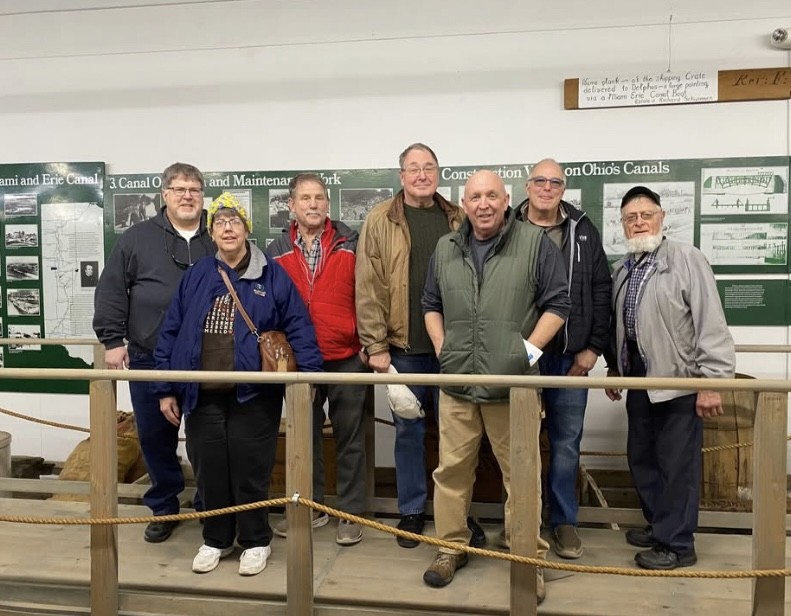
Our village is in the process of developing a History Museum. And a cadre of Historical Society members here have gone to other small town history museums throughout the area — to take notes. (*I’m in the front right, at the Delphos, Ohio Canal Museum.) For years in my town, in the newspaper and on the town Facebook page, I have touted the importance of having a Historical Society, of having a History Museum. And, finally, the ball got rolling (through a combination of things, not just my editorializing). Chronicling the continuity of heritage in a town is SO tremendously important. God puts us in a place to learn from each other, to learn from the past, to have continuity of community, and so on. With people moving towns, on average, every five years now, we are losing that sense of place, losing that sense of heritage. That’s wrong. Many of us would do well to stay in one place, build a continuity of geographic life, if you will, and exhort our adult children, when possible, to stay close to home as well. The following are several blog entries which, in various parts, speaks to the importance of local “heritage.” Search Results for “small town heritage” – Vote for Joe
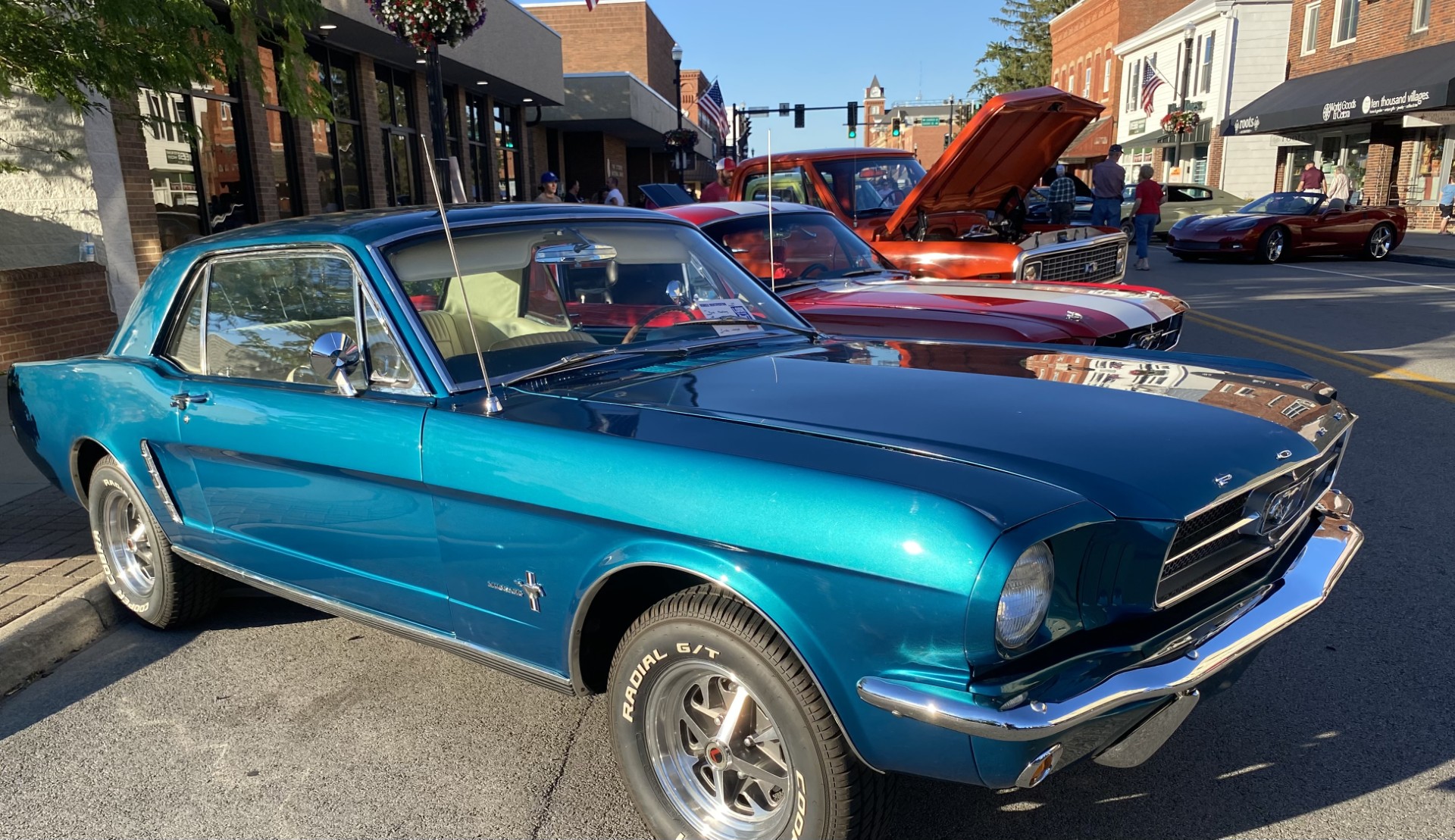
Bluffton’s Annual Classic Car Show this June featured, well, all sorts of classic cars — like this Mustang. Part of our platform is to ask Americans to consider going back to a time in America when the pace of life was slower, neighbors knew neighbors (way more than they do now), and the streets, and schools, were once again safe for our kids. I once told Ohio Magazine that I used to “…be concerned about our kids doing okay in school, now I’m more concerned about them being shot to death in school.” For more on the sociological paradigm shift I’m proposing, *see… During this time, I also did an interview with a man who, in his retirement, regularly volunteers at a non-profit local thrift store (…the proceeds going to a Third World outreach), he is the football announcer in the booth at the high school football games, and he keeps the stats at the high school basketball games. It’s his way of helping to support the local kids. He is your quintessential man-about-town… And staying with local volunteers, I also interviewed a man who is part of the National Oceanic and Atmospherics’ Cooperative Weather Observation Program. He records the minimum daily temperature, daily rain totals, snow totals, frost depth, etc. Between him, and his son-in-law, who took over when his father-in-law died, they have done this, without missing a day: FOR 77 YEARS! Besides sending the data to NOA, the information, back in the day, was also published in local newspapers, broadcast on local radio shows, and so on. Another great example of the spirit of volunteering in this country. *See other blog entries that include inserts about volunteers we’ve encountered across the country, and so on.
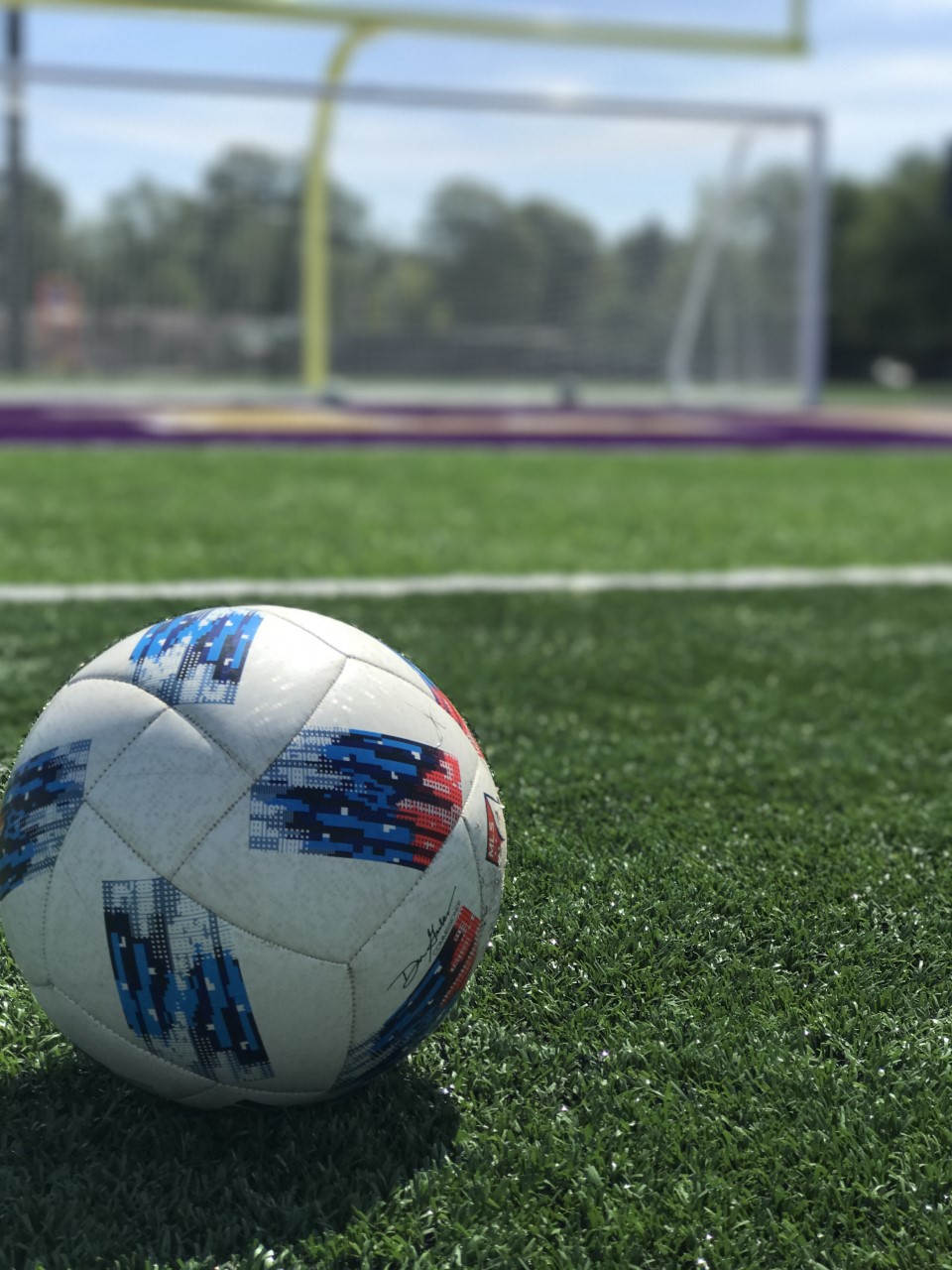
Catching up on the Summer of 2026 (continued): FIFA World Cup. I had a chance to watch a few of the World Cup matches this summer with my daughter, Sarah, who was back in Bluffton for a few days with her family. Her and her husband, Gabe, now have three young children, and were all here. Sarah was quite an athlete, including being quite good at soccer. She played high school and college soccer. And the year after she graduated from Franciscan University in Ohio, she was asked to be head coach of the Women’s Soccer Team at Franciscan. She did that for four years and was quite successful. After having her second child, Sarah stepped down. Having the World Cup, primarily in America this time, has, concurrently, sparked more interest in soccer in America. And that’s good. With the emergence of more and more data on CTE in football players, even starting at a young age, parents have to think twice about allowing their kids into the ‘football fray,’ if you will. I was recently reading the book “The Big Scrum (How Teddy Roosevelt Saved Football)”. At the beginning of last century, football was such a violent sport that, each year, there was a good number of deaths on the gridiron. There were so many, in fact, that they were talking about banning football. Roosevelt, in turn (as U.S. president) in 1905, called some of the top NCAA administrators together to get them to install rule changes that would make the sport less violent. This happened. And football was saved. Fast forward to 2026… With the emergence of CTE, and it being actually quite prevalent now, I believe a U.S. president, of Roosevelt’s ilk, needs to step in to lobby for significant changes to football at this point. I mean, think about it. America, right now, is absolutely addicted to football. But do we want to sacrifice our son’s brains at the altar of this sport? What parent would do that? A football addicted parent. That’s who. Note: The following are some my blog entries on the modern dangers of football…
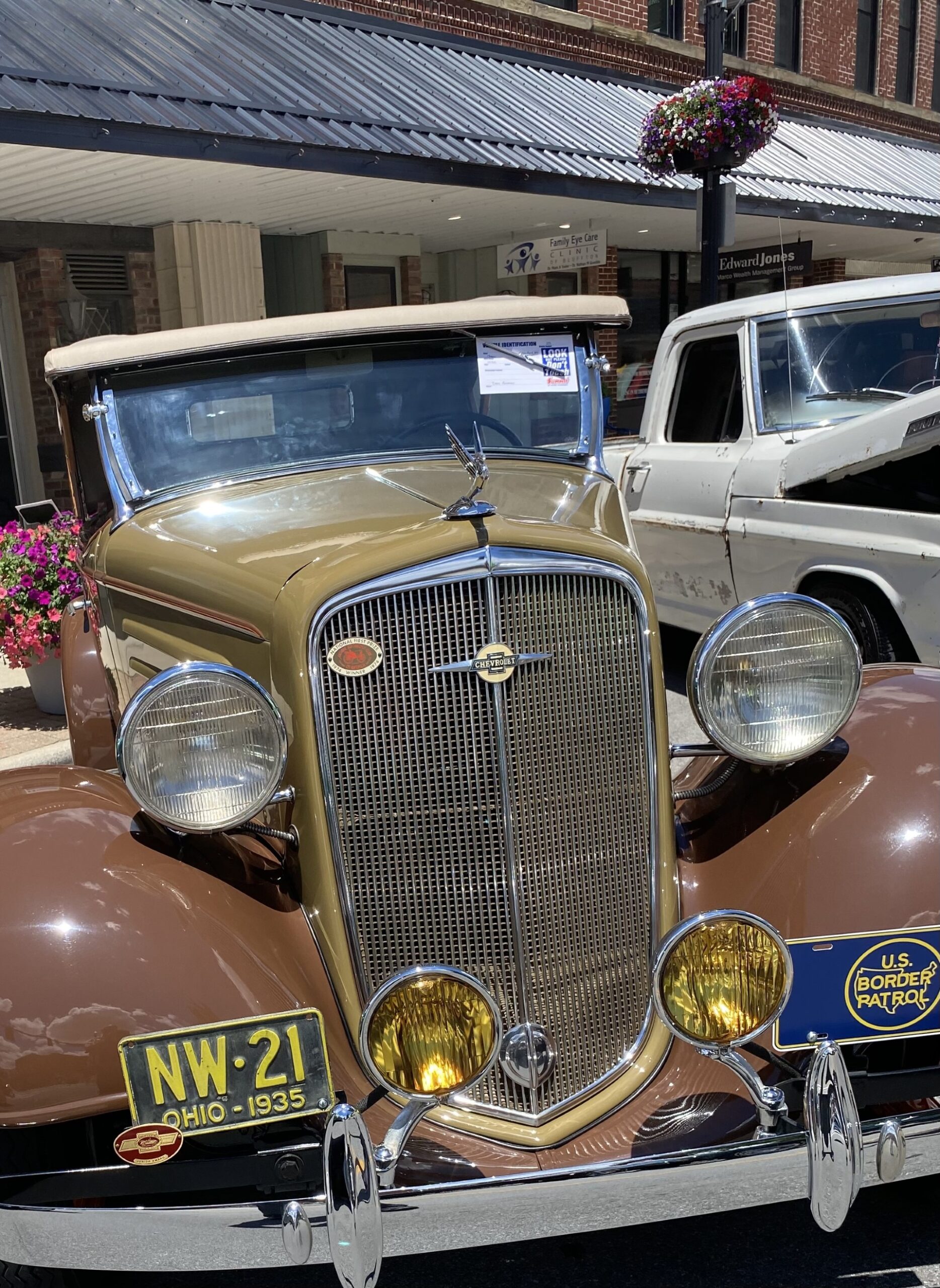
Catching up on the summer… In late May, I had a house painting mishap, falling off a ladder from pretty high up. I broke my right wrist pretty badly, had surgery, and they put a plate in. I’ve been a bit hamstrung as a result, especially since I’m right-handed. But I soldiered on with a bit of newspaper reporting. Including writing a story about a local man who has this 1935 classic car, which was also the first car model used for U.S. Border Patrol. (Previously, they had just used horses.) While the car is cool enough, the border patrol thing is mixed for me, and our campaign. Especially now. The immigration policy currently in place, with the border virtually closed, and illegal immigrants being sent back, en masse, is unconscionable, if not plain evil. We did three Southern Border Tours, including meeting with a good number of illegal immigrants, who, for the most part, had come here, often with their families, to escape extreme cartel violence, abject poverty, political persecution… From these interviews, and much more, we crafted a Hispanic Immigration policy, which we think is much more in line with the gospel message, and just sound human decency.
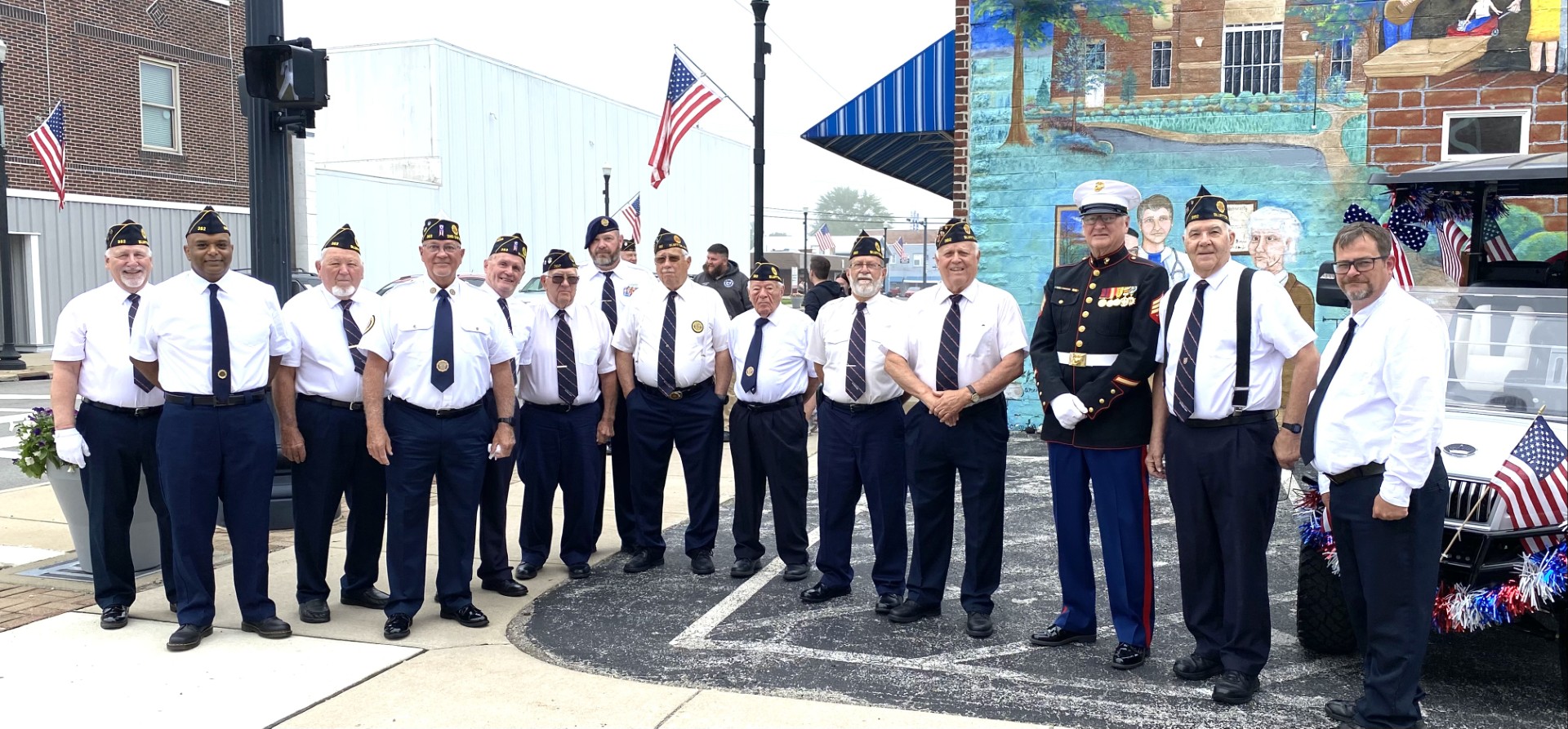
I spent the morning covering some of the local Memorial Day festivities for the town Facebook page. Over years, I have interviewed a good number of these Veterans, as I have interviewed Veterans from across the country for our position paper on the military. Whether the fields of Germany, or the jungles of Vietnam, or the mountains of Afghanistan, U.S. Service people are not only willing to risk their lives for their country, but they are willing to risk the long-term effects of war (PTSD, cancer from agent orange, amputations…) We should never go to war on a cavalier whim, but only after much discussed, and prayerful discernment — weighing this all in line with “Just War” principles. At least that’s what our administration would do.
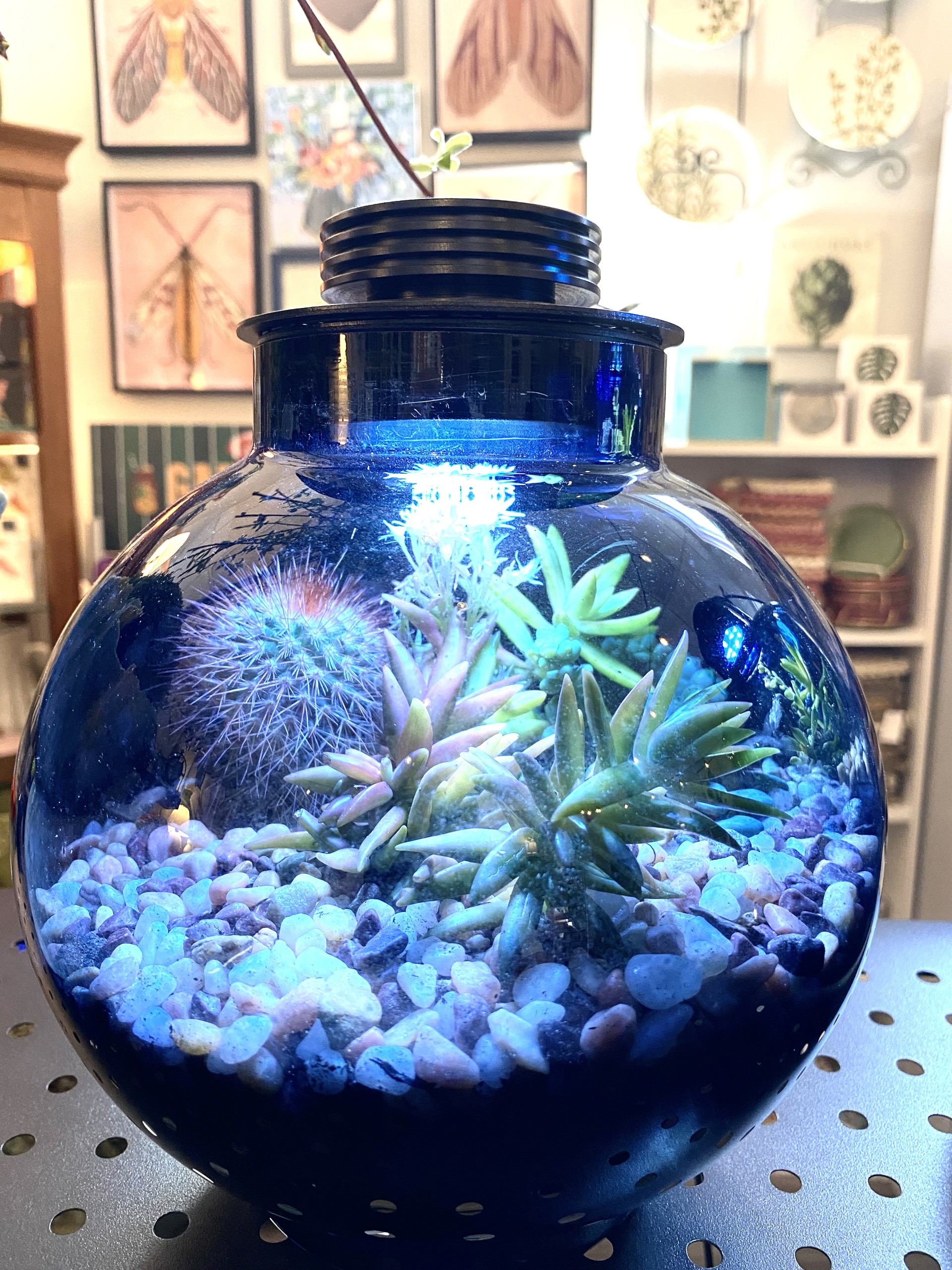
I recently interviewed a woman at the local plant store who bills herself as a “plant artist.” She’s a retired college professor who took this up in retirement. And she had recently put this piece on display at the plant store, calling it “Moonscape.” Coincidentally, the Artimus moon mission had just recently returned. I have gone on record, often, during the campaigning, saying that as president, we would get no closer to the moon than looking at it through a telescope, or looking at it through, well, this moonscape terrarium glass. LOL (Lots Of Lunar). The money spent on these NASA moon missions, and beyond, would be much better spent funding projects to help the poor, to help the environment, etc., on this planet. Besides, if God, say, wanted us on the moon, he would have provided oxygen, a lot more gravity, and soil to grow plants, etc. Common sense… I also interviewed a local couple who have, a number of times, taken in exchange students from all over the world. Most recently, they were hosting students from Japan. They said they believed the way to bring the people of the world closer together, is to, literally, bring them closer together, proximity wise. Our “U.S. Department of Peace” paradigm is filled with initiatives to bring the world at large, and withing our country as well, closer together. *See…
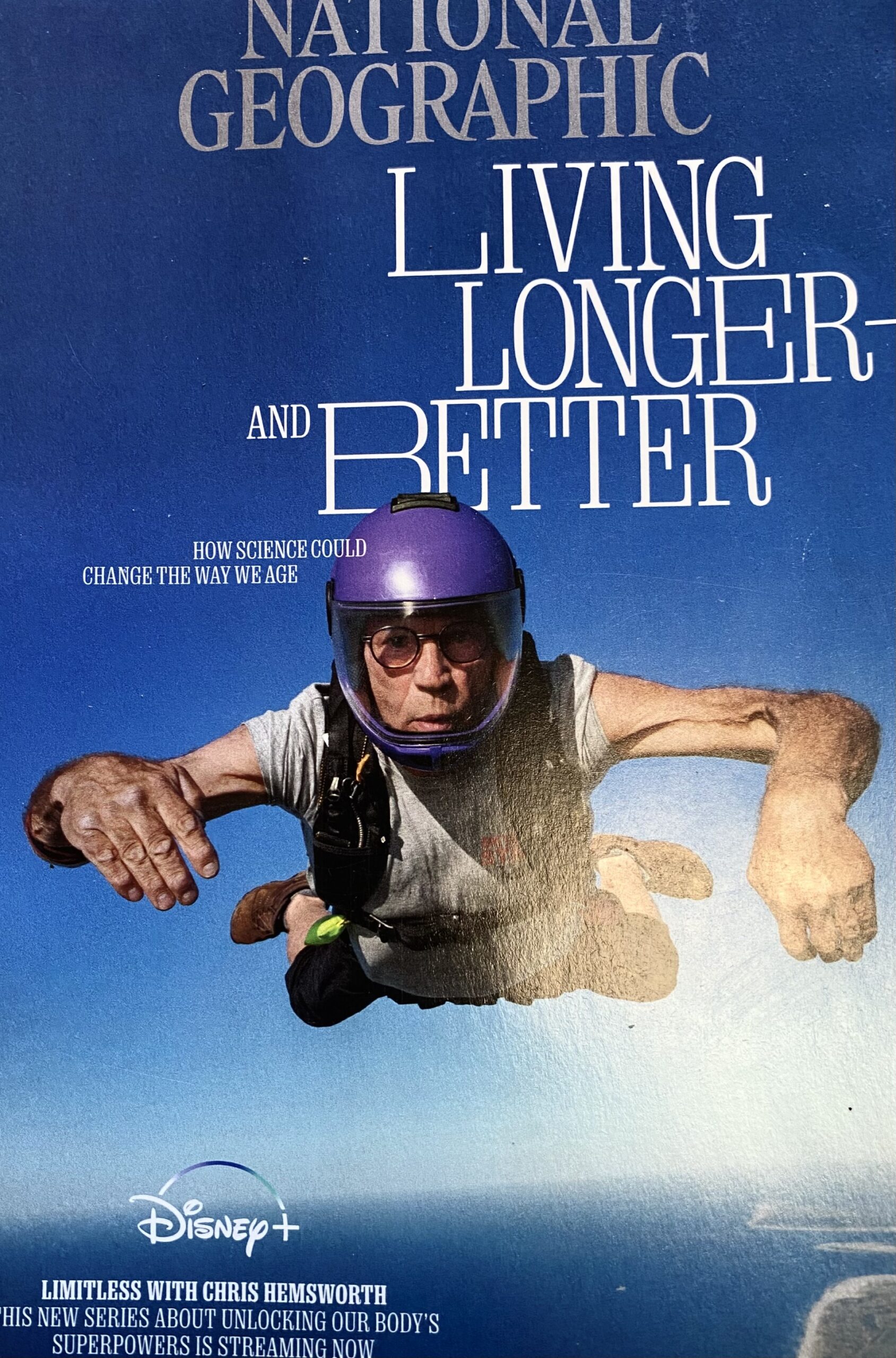
I just read an article on aging, and the extreme measures scientists, doctors, researchers in general, are going to try to figure out how to slow aging down. Article excerpt: “It seems everyone with cash to burn is placing a bet on aging’s next — or really, it’s first — big thing. The article notes that studies show that a good diet, regular exercise, healthy weight, not smoking… are basic keys to good health, and longevity. Common sense. Our administration has come up with a strategy, not just for ongoing health, but quality of life, as it relates to, for instance, seniors. This is based on a lot of cross-country research regarding models that, if plugged in from town to town across the country, would actuate all this in a pretty dramatic way. *See… Our paradigm, when it comes to, say, seniors and social security is: “Social Security shouldn’t just be about a monetary fund. It should be about seniors feeling “socially secure,” in their communities, across the board.
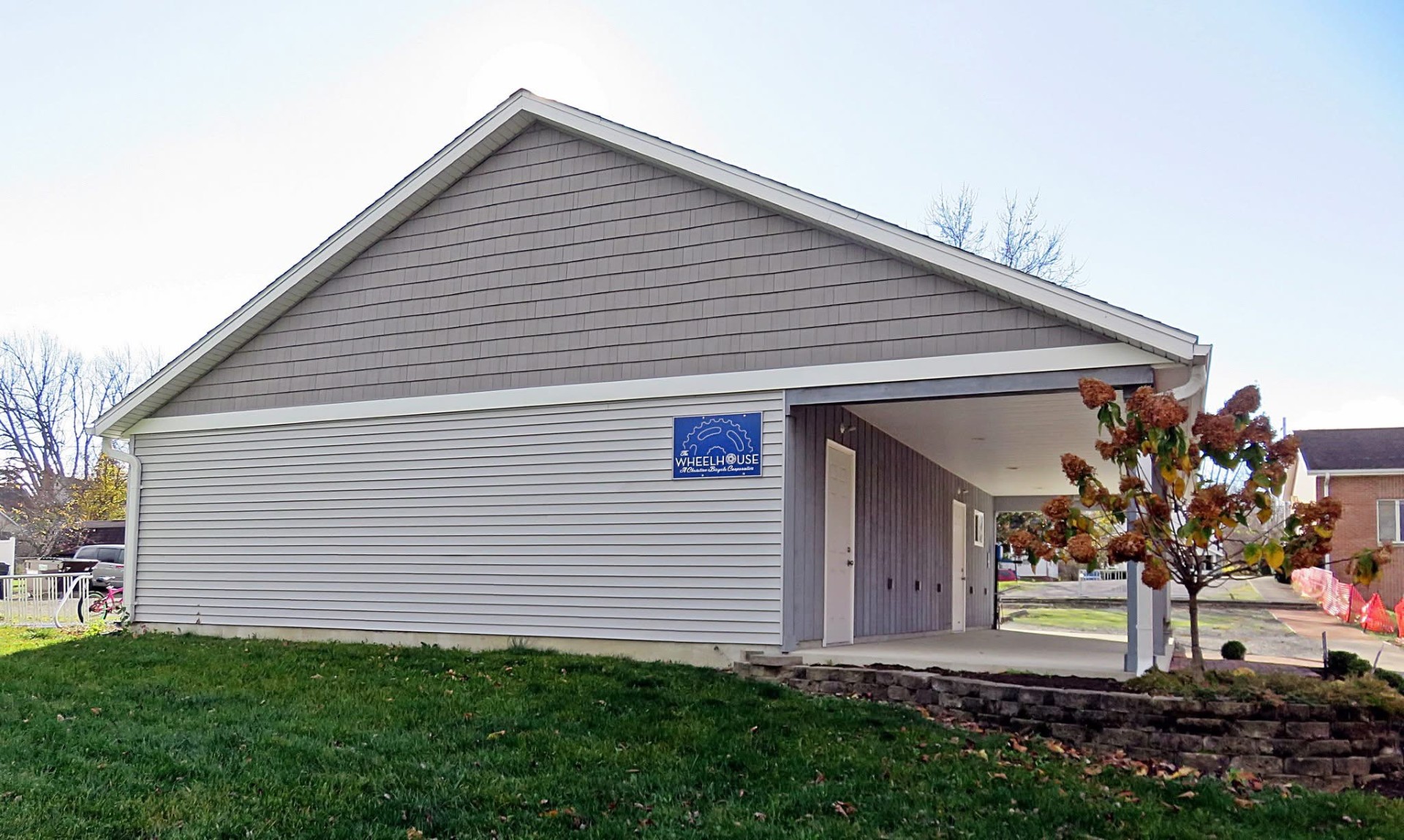
Catching up on the last two weeks… I did some reporting on a Christian Bicycle Cooperative called the “Wheelhouse.” (*See photo.) A group of volunteers solicit bicycles from all over the area, fix them up, and then donate them to people just getting back on their feet. For instance, people just getting out of prison, or people who are in alcoholism and drug rehab and have temporarily lost their driver’s license, and so on. Since 2017, The Wheelhouse has given away a phenomenal 1,600 bicycles — and counting… During this time, I also did a “Joe the Painter” wood staining of kitchen cabinetry job, to keep my populist image up, and to pay for stuff. Wink… I also attended a talk on the environment by a representative from the Anabaptist Climate Cooperative. He said that currently the environment was on the ropes in a number of different ways, whether vanishing bird and animal species; or clear-cutting forests; or developments encroaching on marshland areas, etc. Our position paper on the environment would line up with his paradigm in a good number of ways. The environment is, indeed, on the ropes, whether we want to admit it or not. *Note: With the weather breaking here, I’ve had a chance to take more regular bicycle rides (I ride in the winter as well, but not as much). Joe the Bicyclist (*see bicycle book at the bottom of the page on the Joe the Bicyclist link). The town I live in, Bluffton, Ohio, has been ranked as the “2nd Most Bicycle Friendly Town in Ohio.”